

Hey there! I'm a supplier of Cyclone Dust Collectors, and today I wanna delve into a super important topic: how the inlet gas load affects the performance of a Cyclone Dust Collector.
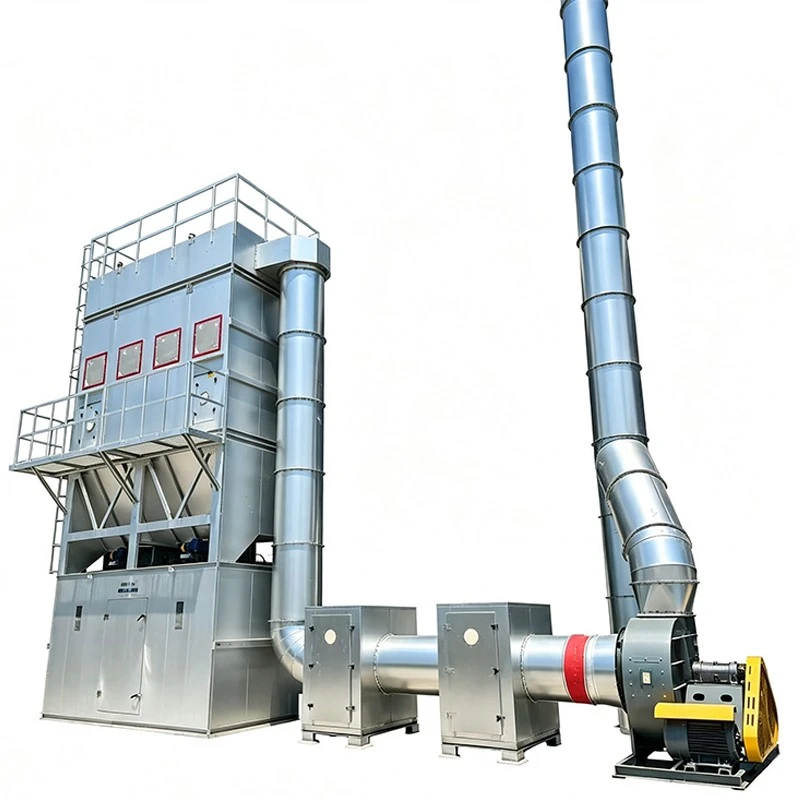
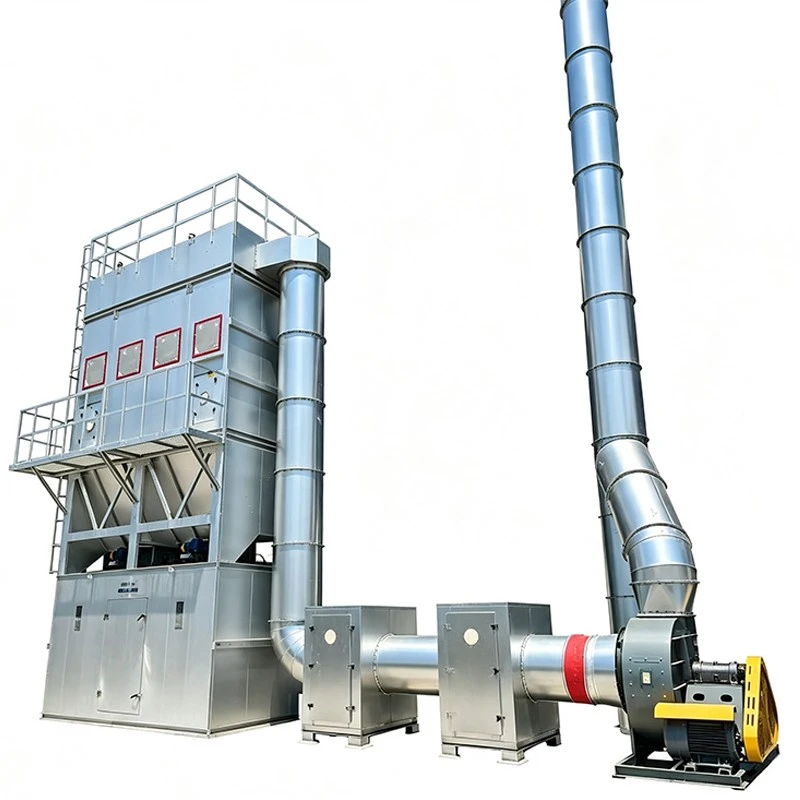
First off, let's get a basic understanding of what a Cyclone Dust Collector is. It's a pretty nifty piece of equipment that uses centrifugal force to separate dust particles from the gas stream. When the dusty gas enters the cyclone, it swirls around inside, and the heavier dust particles are thrown to the outer wall and then collected at the bottom, while the cleaner gas exits from the top. You can find more info about Cyclone Dust Collectors here.
Now, let's talk about the inlet gas load. The inlet gas load basically refers to the amount of gas and dust mixture that enters the cyclone dust collector per unit of time. It's a crucial factor that can have a big impact on the collector's performance.
1. Efficiency
One of the most significant ways the inlet gas load affects the cyclone dust collector is its collection efficiency. Generally speaking, there's an optimal range of inlet gas load for a cyclone dust collector. When the inlet gas load is within this range, the cyclone can work at its best.
If the inlet gas load is too low, the centrifugal force generated inside the cyclone may not be strong enough. The swirling motion of the gas might be weak, and the dust particles won't have enough force to be thrown to the outer wall. As a result, some of the smaller dust particles can easily escape with the gas stream, reducing the collection efficiency.
On the flip side, when the inlet gas load is too high, a bunch of problems can occur. The gas velocity inside the cyclone gets extremely high. This high - velocity gas can cause the collected dust particles at the bottom to re - entrain into the gas stream. It's like creating a mini tornado that stirs up all the dust that's supposed to stay at the bottom. Also, the high - velocity gas can create more turbulence, which makes it harder for the dust to separate properly. So, both low and high inlet gas loads can lead to a decrease in the collection efficiency of the cyclone dust collector.
2. Pressure Drop
The inlet gas load also has a big influence on the pressure drop across the cyclone dust collector. Pressure drop is the difference in pressure between the inlet and the outlet of the collector. It's an important indicator because a high pressure drop means more energy is needed to push the gas through the collector.
When the inlet gas load increases, the pressure drop across the cyclone dust collector also increases. This is because as more gas and dust enter the cyclone, there's more resistance to the flow. The swirling motion of the gas becomes more intense, and there's more friction between the gas, dust particles, and the walls of the cyclone. A high pressure drop can lead to higher operating costs since you'll need a more powerful fan or blower to maintain the gas flow.
On the other hand, if the inlet gas load is too low, the pressure drop may be lower than normal. But this might not always be a good thing, as it could be a sign that the cyclone isn't working effectively, as we mentioned before with the low collection efficiency.
3. Wear and Tear
The inlet gas load can also affect the wear and tear of the cyclone dust collector. When the inlet gas load is high, the high - velocity gas and dust particles can cause more abrasion on the inner walls of the cyclone. The dust particles act like tiny sandblasters, constantly hitting the walls and wearing them down over time. This can lead to holes or cracks in the cyclone, which not only reduces its performance but also shortens its lifespan.
In addition, high inlet gas loads can put more stress on the other components of the cyclone dust collector, such as the inlet and outlet pipes. The increased flow and pressure can cause these pipes to deform or develop leaks.
Comparing with Other Types of Dust Collectors
It's also interesting to compare how the inlet gas load affects cyclone dust collectors with other types of dust collectors. For example, Baghouse Dust Collectors rely on filter bags to capture dust. While they can handle a wide range of gas loads, high gas loads can cause the filter bags to clog more quickly. This reduces their filtration efficiency and increases the pressure drop.
Cartridge Dust Collectors use filter cartridges. Similar to baghouse dust collectors, high inlet gas loads can lead to faster clogging of the cartridges, which requires more frequent replacement and maintenance.
Wet Dust Collectors use water to capture dust. High inlet gas loads can make it difficult to maintain the proper water - dust contact, which may reduce the collection efficiency.
Controlling the Inlet Gas Load
As a supplier, we know that controlling the inlet gas load is key to ensuring the optimal performance of the cyclone dust collector. There are a few ways to do this. One common method is to use a flow control valve at the inlet. This valve can adjust the amount of gas and dust mixture entering the cyclone, allowing you to keep the inlet gas load within the optimal range.
Another approach is to use a pre - separator before the cyclone. A pre - separator can remove the larger dust particles from the gas stream before it enters the cyclone. This reduces the overall inlet gas load, making it easier for the cyclone to handle the remaining smaller dust particles. You can also check out Dust Filters which can be used in combination with cyclone dust collectors to improve the overall dust collection efficiency.
Conclusion and Call to Action
In conclusion, the inlet gas load has a profound impact on the performance of a cyclone dust collector, affecting its efficiency, pressure drop, and wear and tear. As a supplier, we're always here to help you understand these factors and choose the right cyclone dust collector for your specific needs. If you're in the market for a cyclone dust collector or want to learn more about how to optimize its performance, don't hesitate to reach out. We can provide you with detailed information, technical support, and a quote tailored to your requirements.
References
- Perry, R. H., & Green, D. W. (Eds.). (2008). Perry's Chemical Engineers' Handbook. McGraw - Hill.
- Cooper, C. D., & Alley, F. C. (2011). Air Pollution Control: A Design Approach. Waveland Press.