

When it comes to paint spraying tables, one of the most frequently asked questions is, "What is the spraying speed of a paint spraying table?" As a supplier of paint spraying tables, I've encountered this question time and time again. So, let's dive into this topic and break it down.
Understanding Spraying Speed
Spraying speed isn't a one - size - fits - all concept for paint spraying tables. It depends on multiple factors, like the type of paint, the object being painted, and of course, the specific features of the spraying table itself.
Think about it. If you're using a thick industrial paint, it's going to flow differently compared to a thin water - based paint. The more viscous the paint, the slower the spraying speed usually needs to be to ensure an even coat. Otherwise, you might end up with clumps or uneven coverage on your workpiece.
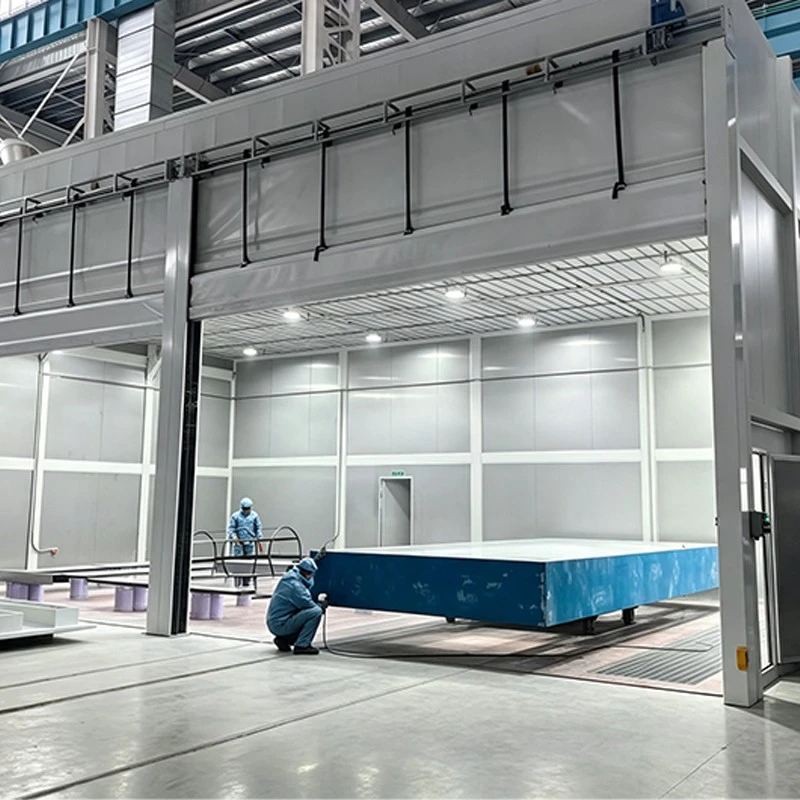
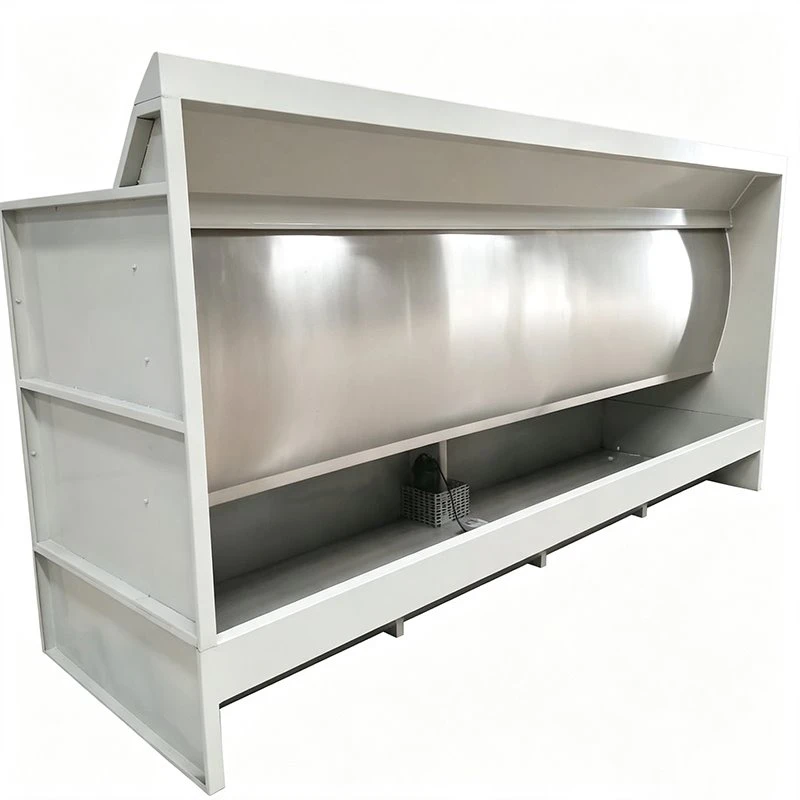
When it comes to the object being painted, its size and shape matter a great deal. A small, simple - shaped object can be painted at a relatively higher speed. For instance, a small metal part with a smooth surface can be covered quickly because there aren't many nooks and crannies to work around. On the other hand, a large, intricately designed object, like a sculpted piece of furniture, will require a slower spraying speed to make sure every detail gets the right amount of paint.
Factors Affecting Spraying Speed
1. Nozzle Type
The nozzle is like the "mouth" of the paint spraying table. Different nozzles have different spray patterns and flow rates. A wide - fan nozzle can cover a large area quickly but might not provide as much precision. If you're painting a big, flat surface, like the side of a large vehicle, a wide - fan nozzle can boost your spraying speed. However, if you need to paint fine details, a narrow - fan nozzle is a better choice, though it'll naturally slow down the overall process.
2. Pressure Settings
The pressure at which the paint is sprayed also affects the speed. Higher pressure generally means a faster flow of paint. But it's a balancing act. If the pressure is too high, the paint might atomize too much and bounce off the surface, leading to overspray and wasted paint. And if it's too low, the paint won't spread evenly, and you'll have to go over the area multiple times, which slows everything down.
3. Ventilation
Proper ventilation is crucial for the paint spraying process. In a well - ventilated paint spraying table, overspray can be removed efficiently, allowing you to work at a faster pace. If the ventilation is poor, the overspray will linger in the air, which not only creates a mess but also poses health risks. You'll end up having to slow down to deal with the accumulated overspray.
Different Types of Paint Spraying Tables and Their Spraying Speeds
Dry Filter Spray Booth
A Dry Filter Spray Booth is often used for smaller - scale painting jobs. Its design focuses on filtering overspray effectively. The spraying speed in a dry filter spray booth can be quite good when painting medium - sized objects with a normal - viscosity paint. The dry filter system ensures that the air is clean, and the overspray is trapped, allowing continuous operation without much interruption.
Water Cyclone Spray Cabinet
The Water Cyclone Spray Cabinet uses water to capture overspray. This type of cabinet is great for high - volume painting. The water cyclone technology can handle a large amount of overspray at once, enabling painters to work at a relatively high spraying speed. It's often used in industrial settings where large numbers of parts need to be painted quickly.
Downdraft Spray Table
A Downdraft Spray Table has a unique airflow design. The air moves downward through the table, taking the overspray with it. This design provides a very clean painting environment, which can increase the spraying speed. It's especially useful for painting flat objects, as the even airflow helps to distribute the paint evenly across the surface.
Spray Painting Chamber
A Spray Painting Chamber is a large, enclosed space for painting. It offers excellent control over the painting environment, including temperature, humidity, and air quality. This means that painters can work at an optimal spraying speed. The controlled environment reduces the chances of paint defects, allowing for a smoother and faster painting process.
Water Curtain Spray Booth
The Water Curtain Spray Booth uses a curtain of water to capture overspray. This booth is suitable for a variety of painting jobs, from small - scale to large - scale. The water curtain effectively removes overspray, and depending on the size of the booth and the equipment used, the spraying speed can be adjusted for different requirements.
Measuring and Optimizing Spraying Speed
To measure the spraying speed, you can time how long it takes to paint a specific area or object. Once you have a baseline, you can start optimizing. You can experiment with different nozzle types, pressure settings, and ventilation adjustments. For example, if you notice that the paint isn't spreading evenly at your current pressure, try increasing or decreasing it slightly to see if it improves the coverage and speed.
It's also a good idea to document your changes. Keep a log of the nozzle type, pressure settings, paint type, and the time it took to complete the painting job. This way, you can refer back to your notes and repeat the successful setups in the future.
Conclusion
In conclusion, the spraying speed of a paint spraying table is a complex concept that depends on many factors. As a supplier of paint spraying tables, I understand that every customer has different needs and requirements. Whether you need a fast - paced industrial painting solution or a more precise setup for small - scale projects, there's a paint spraying table out there for you.
If you're interested in learning more about our paint spraying tables or are looking for a solution that can optimize your spraying speed, don't hesitate to contact us. We're here to help you find the perfect fit for your painting needs and get the most out of your painting process.
References
- Painting Technology Handbook
- Industrial Spraying Systems Guide