

Hey there! If you're in the market for a spray painting chamber, you're in the right place. I'm a supplier of these chambers, and I've seen firsthand how important it is to have the right safety features in place. So, let's dive into what safety features a spray painting chamber should have.
Ventilation Systems
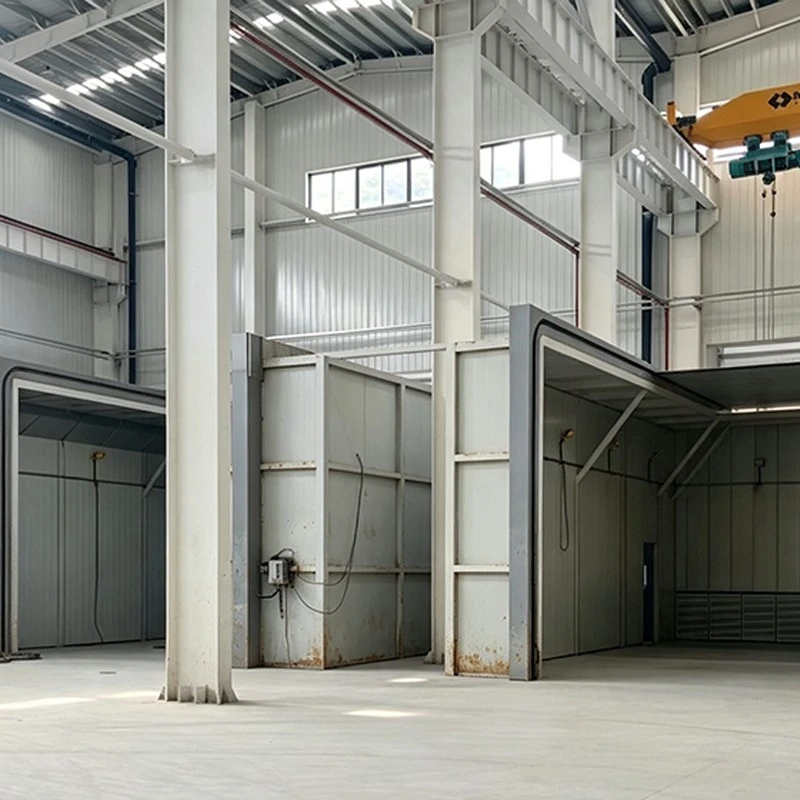
One of the most critical safety features of a spray painting chamber is a proper ventilation system. When you're spray painting, harmful chemicals and fumes are released into the air. Without proper ventilation, these fumes can build up and pose a serious health risk to anyone in the vicinity.
A good ventilation system should be able to remove the fumes quickly and efficiently. It should have a high airflow rate, typically measured in cubic feet per minute (CFM). The higher the CFM, the better the ventilation. Most professional spray painting chambers have a ventilation system with a CFM rating of at least 2000.
There are two main types of ventilation systems: downdraft and side draft. Downdraft systems pull the fumes down through the floor, while side draft systems pull the fumes out through the sides of the chamber. Downdraft systems are generally considered to be more efficient because they create a more consistent airflow and are better at capturing the fumes.
Fire Suppression Systems
Spray painting involves the use of flammable materials, such as paint and solvents. As a result, there is a significant risk of fire in a spray painting chamber. That's why it's essential to have a fire suppression system in place.
A fire suppression system can help to prevent a small fire from turning into a large, uncontrollable blaze. There are several types of fire suppression systems available, including sprinklers, foam systems, and dry chemical systems.
Sprinklers are the most common type of fire suppression system. They work by spraying water onto the fire to cool it down and extinguish it. Foam systems are also effective, as they create a layer of foam that smothers the fire and prevents oxygen from reaching it. Dry chemical systems work by releasing a dry chemical powder that interrupts the chemical reaction of the fire.
Lighting
Proper lighting is another important safety feature in a spray painting chamber. Good lighting is essential for ensuring that the painter can see what they're doing clearly and can work safely. Without adequate lighting, there is a greater risk of accidents, such as spills and mistakes.
The lighting in a spray painting chamber should be bright, uniform, and free of glare. LED lights are a popular choice for spray painting chambers because they are energy-efficient, long-lasting, and provide a bright, white light. It's also a good idea to have multiple light sources in the chamber to ensure that there are no dark spots.
Flooring
The flooring in a spray painting chamber should be made of a material that is resistant to chemicals and is easy to clean. It should also provide good traction to prevent slips and falls.
Epoxy flooring is a popular choice for spray painting chambers because it is durable, chemical-resistant, and easy to clean. It also provides a smooth, seamless surface that makes it easy to remove any spills or debris. Another option is to use a rubber or vinyl flooring, which is also resistant to chemicals and provides good traction.
Personal Protective Equipment (PPE)
While the spray painting chamber itself should have many safety features, it's also important for the painter to wear the appropriate personal protective equipment (PPE). This includes a respirator, gloves, safety glasses, and a painting suit.
A respirator is essential for protecting the painter from inhaling the harmful fumes and particles that are released during the spray painting process. Gloves protect the hands from the chemicals in the paint and solvents, and safety glasses protect the eyes from splashes and debris. A painting suit covers the body and helps to prevent the paint from getting on the painter's clothes and skin.
Emergency Exits
In case of an emergency, such as a fire or a chemical spill, it's important to have clear and accessible emergency exits in the spray painting chamber. There should be at least two exits, and they should be marked clearly with illuminated signs.
The exits should be wide enough to allow people to pass through quickly and easily, and they should not be blocked by any equipment or materials. It's also a good idea to have an emergency evacuation plan in place and to conduct regular drills to ensure that everyone knows what to do in case of an emergency.
Monitoring Systems
Monitoring systems can help to ensure the safety of the spray painting chamber. For example, a gas detection system can monitor the levels of harmful chemicals in the air and alert the painter if the levels exceed a safe limit. A temperature and humidity monitoring system can also be useful, as it can help to ensure that the conditions in the chamber are optimal for the spray painting process.
Our Spray Painting Chamber Offerings
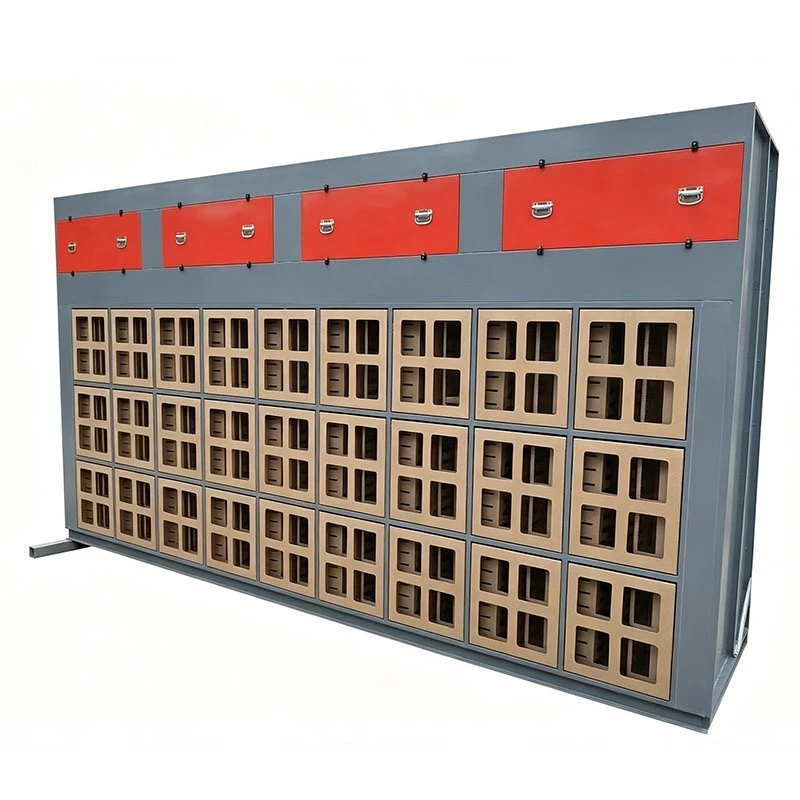
As a supplier, we offer a variety of spray painting chambers with all these important safety features. We have Dry Filter Spray Booth, which are a cost - effective option with good ventilation capabilities. Our Water Curtain Spray Booth uses water to capture the overspray, reducing the amount of harmful particles in the air.
The Spray Painting Chamber we provide is designed with high - quality materials and advanced safety features to meet all your needs. We also offer Water Cyclone Spray Cabinet and Paint Spraying Table for different spraying requirements.
If you're interested in purchasing a spray painting chamber, we'd love to talk to you. We can help you choose the right type of chamber for your specific needs and budget. Contact us today to start the discussion about your spray painting chamber requirements.
References
- "Safety Standards for Spray Painting Facilities" - Occupational Safety and Health Administration (OSHA).
- "Spray Painting Chamber Design and Operation" - Industrial Painting Association.