

Industrial furnaces are essential in numerous manufacturing and processing industries, serving a wide range of applications, from melting metals to heat-treating materials. However, these powerful machines generate a substantial amount of dust and particulate matter during their operation. This raises an important question for industrial operators: Can a dust filter be used in an industrial furnace? As a supplier of Dust Filter, I'm here to explore this topic and provide insights that can help businesses make informed decisions.
Understanding Industrial Furnaces and Dust Generation
Industrial furnaces operate at high temperatures, often exceeding several hundred degrees Celsius. They are used in processes such as metal smelting, glass manufacturing, and ceramic production. During these operations, the raw materials being processed are subjected to intense heat, which can cause them to release dust particles, fumes, and other airborne contaminants. These pollutants can pose significant risks to both the environment and the health of workers.
Exposure to industrial dust can lead to various health issues, including respiratory problems, lung diseases, and even cancer. Additionally, the presence of dust in the air can cause damage to equipment and machinery, leading to increased maintenance costs and downtime. Therefore, it is crucial to implement effective dust control measures in industrial furnaces to mitigate these risks.
Types of Dust Filters Suitable for Industrial Furnaces
There are several types of dust filters available on the market, each with its own unique features and applications. When it comes to industrial furnaces, the following types of dust filters are commonly used:
-
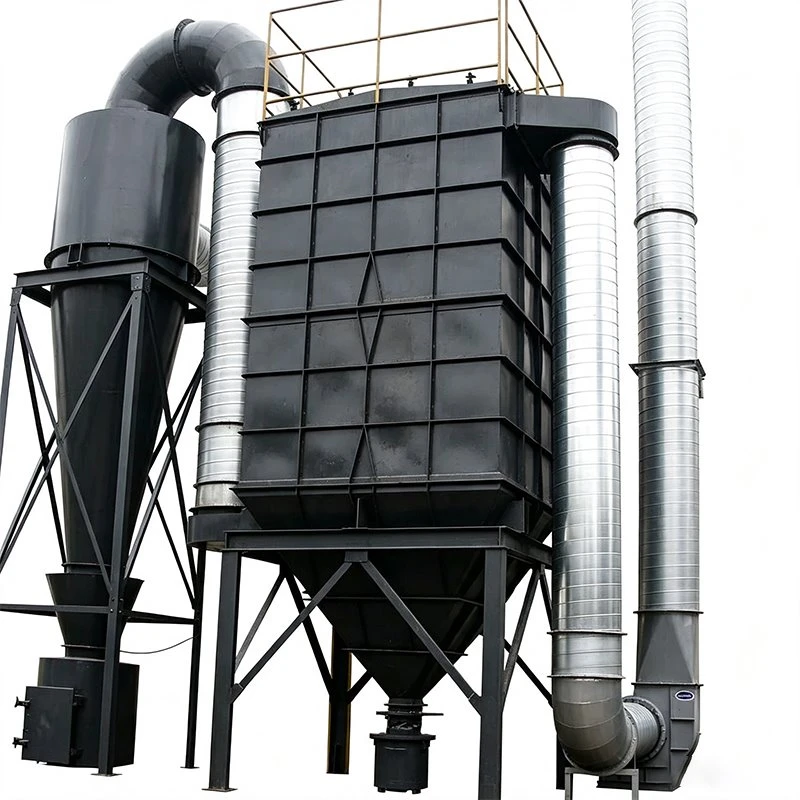
Cyclone Dust Collector: Cyclone dust collectors are a popular choice for industrial furnaces due to their simplicity and cost-effectiveness. They work by using centrifugal force to separate dust particles from the air. As the contaminated air enters the cyclone, it is forced to spin rapidly, causing the heavier dust particles to be thrown to the outer walls of the cyclone and fall into a collection hopper. Cyclone dust collectors are particularly effective at removing large, dense dust particles.
-
Water Filtration Dust Collector: Water filtration dust collectors use water to filter out dust particles from the air. The contaminated air is passed through a water bath or spray chamber, where the dust particles are captured by the water droplets. The cleaned air is then discharged into the atmosphere, while the contaminated water is collected and treated. Water filtration dust collectors are effective at removing both large and small dust particles, as well as some types of fumes and gases.
-
Cartridge Dust Collector: Cartridge dust collectors use pleated filter cartridges to remove dust particles from the air. The contaminated air enters the collector and passes through the filter cartridges, where the dust particles are trapped on the surface of the cartridges. The cleaned air is then discharged into the atmosphere. Cartridge dust collectors are known for their high filtration efficiency and compact design, making them suitable for applications where space is limited.
-
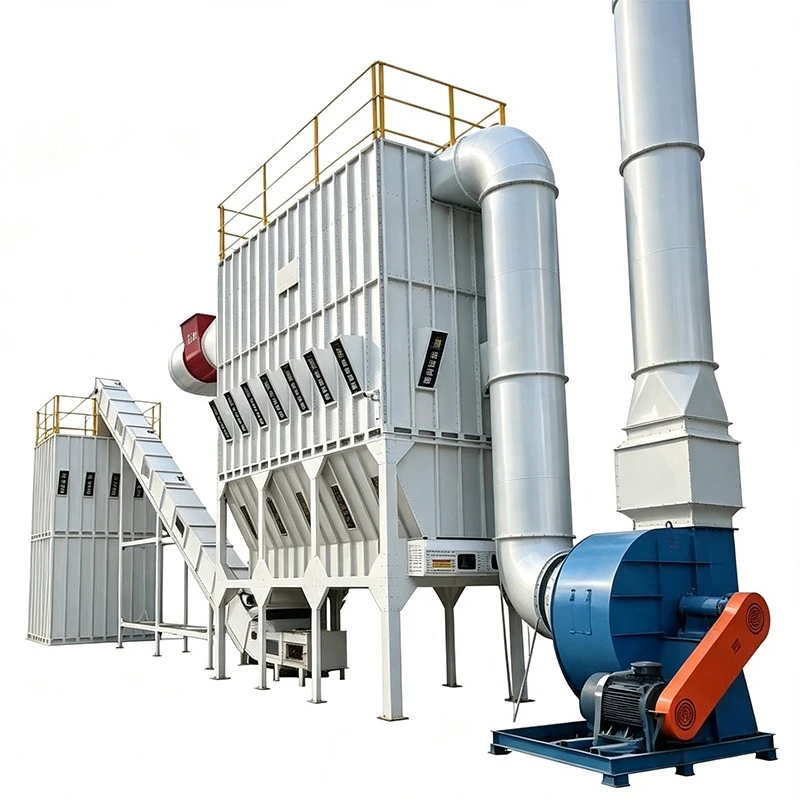
Baghouse Dust Collector: Baghouse dust collectors use a series of fabric filter bags to remove dust particles from the air. The contaminated air enters the collector and passes through the filter bags, where the dust particles are trapped on the surface of the bags. The cleaned air is then discharged into the atmosphere. Baghouse dust collectors are highly effective at removing fine dust particles and are commonly used in industries such as cement, steel, and power generation.
Factors to Consider When Using a Dust Filter in an Industrial Furnace
While dust filters can be used in industrial furnaces, there are several factors that need to be considered to ensure their effective and safe operation. These factors include:
-
Temperature: Industrial furnaces operate at high temperatures, which can have a significant impact on the performance and lifespan of dust filters. It is important to choose a dust filter that is designed to withstand the high temperatures generated by the furnace. Some dust filters are made from materials that can withstand temperatures up to several hundred degrees Celsius, while others may require additional cooling or insulation to prevent damage.
-
Chemical Compatibility: The dust generated by industrial furnaces may contain various chemicals and contaminants, which can react with the materials used in the dust filter. It is important to choose a dust filter that is chemically compatible with the dust and contaminants present in the furnace. This can help to prevent corrosion, degradation, and other types of damage to the filter.
-
Airflow and Pressure Drop: The airflow rate and pressure drop across the dust filter are important factors that need to be considered when selecting a dust filter for an industrial furnace. The airflow rate should be sufficient to ensure that all the dust generated by the furnace is captured and removed from the air. The pressure drop across the filter should be minimized to reduce energy consumption and ensure the efficient operation of the furnace.
-
Maintenance and Cleaning: Dust filters require regular maintenance and cleaning to ensure their continued performance. It is important to choose a dust filter that is easy to maintain and clean. Some dust filters can be cleaned automatically using a reverse airflow or pulse-jet cleaning system, while others may require manual cleaning or replacement of the filter media.
Benefits of Using a Dust Filter in an Industrial Furnace
Using a dust filter in an industrial furnace offers several benefits, including:
-
Improved Air Quality: By removing dust and particulate matter from the air, dust filters can significantly improve the air quality both inside and outside the industrial facility. This can help to protect the health of workers and the environment from the harmful effects of industrial pollution.
-
Increased Equipment Lifespan: The presence of dust in the air can cause damage to equipment and machinery, leading to increased maintenance costs and downtime. By removing dust particles from the air, dust filters can help to extend the lifespan of equipment and reduce maintenance costs.
-
Compliance with Regulations: Many industrial operations are subject to strict environmental regulations regarding air quality and emissions. Using a dust filter in an industrial furnace can help businesses to comply with these regulations and avoid costly fines and penalties.
-
Enhanced Product Quality: In some industries, the presence of dust in the air can affect the quality of the products being manufactured. By removing dust particles from the air, dust filters can help to improve product quality and reduce the number of defective products.
Contact for Procurement and Consultation
In conclusion, the use of a dust filter in an industrial furnace is not only possible but also highly beneficial. As a trusted Dust Filter supplier, we understand the unique requirements of industrial furnaces and offer a wide range of dust filtration solutions to meet your specific needs. Whether you need a cyclone dust collector, water filtration dust collector, cartridge dust collector, or baghouse dust collector, we have the expertise and experience to provide you with the right solution.
If you are interested in learning more about our dust filtration products or would like to discuss your specific requirements, please feel free to contact us for procurement and consultation. Our team of experts is always ready to assist you in finding the most suitable dust filter for your industrial furnace.
References
- American Conference of Governmental Industrial Hygienists (ACGIH). (2023). Threshold Limit Values for Chemical Substances and Physical Agents and Biological Exposure Indices.
- United States Environmental Protection Agency (EPA). (2023). National Emission Standards for Hazardous Air Pollutants (NESHAPs).
- Occupational Safety and Health Administration (OSHA). (2023). Respiratory Protection Standard.