

In the dynamic world of industrial finishing, spray painting chambers are indispensable assets, enabling a wide range of industries to achieve high - quality paint finishes on their products. However, the process of spray painting involves the use of flammable paints, solvents, and aerosols, making explosion - proof requirements a top priority. As a trusted Spray Painting Chamber supplier, I understand the critical nature of these requirements and the role our products play in ensuring a safe working environment.
Understanding the Hazards in a Spray Painting Chamber
Paint materials are a significant source of risk. Most paints, especially those used in industrial settings, contain volatile organic compounds (VOCs). These VOCs can evaporate quickly, creating a combustible vapor in the air. When the concentration of these vapors reaches a certain level, known as the lower explosive limit (LEL), and there is an ignition source, an explosion can occur.
Ignition sources can be diverse. Electrical equipment, such as lighting fixtures, fans, and control panels, can generate sparks if not properly designed or maintained. Static electricity is another common ignition risk. When paint particles are sprayed, they can build up an electrostatic charge, which may discharge as a spark. Additionally, open flames from welding operations nearby, or even smokers in the vicinity (although smoking should be strictly prohibited), can trigger an explosion.
Explosion - Proof Design Requirements
Construction Materials
The construction of a spray painting chamber must start with the right materials. The chamber walls should be made of non - combustible materials, such as stainless steel or coated steel. These materials can withstand high temperatures and prevent the spread of fire. Our Paint Spraying Table is constructed using high - quality stainless steel, offering excellent durability and explosion - protection capabilities.
The interior surface of the chamber should be smooth to prevent the accumulation of paint and dust. Rough surfaces can trap paint particles, increasing the risk of fire and explosion. By having a smooth surface, it also becomes easier to clean the chamber, reducing the overall explosion risk over time.
Ventilation Systems
Proper ventilation is crucial in a spray painting chamber. A well - designed ventilation system can remove the combustible vapors from the chamber, keeping the vapor concentration below the LEL. The ventilation system should be capable of providing a sufficient airflow rate, usually measured in cubic feet per minute (CFM).
There are two main types of ventilation in spray painting chambers: updraft and downdraft. Downdraft systems, like our Downdraft Spray Table, are particularly effective as they draw the vapors downwards and away from the operator, reducing the exposure risk. The ventilation system should also be equipped with explosion - proof fans and motors to prevent the generation of sparks.
Electrical Equipment
All electrical equipment in a spray painting chamber must be explosion - proof. This includes lighting, switches, outlets, and control systems. Explosion - proof electrical equipment is designed to contain an internal explosion and prevent it from spreading to the surrounding environment.
For example, explosion - proof lighting fixtures are enclosed in a robust housing that can withstand the pressure of an internal explosion. They are also sealed to prevent the ingress of flammable vapors. When providing spray painting chambers, we ensure that all electrical components meet the relevant explosion - proof standards, such as those set by the National Electrical Code (NEC).
Fire Suppression Systems
A reliable fire suppression system is an essential part of explosion - proof requirements. Sprinkler systems are commonly used in larger spray painting chambers. These systems can quickly douse a fire, preventing it from spreading and causing an explosion.
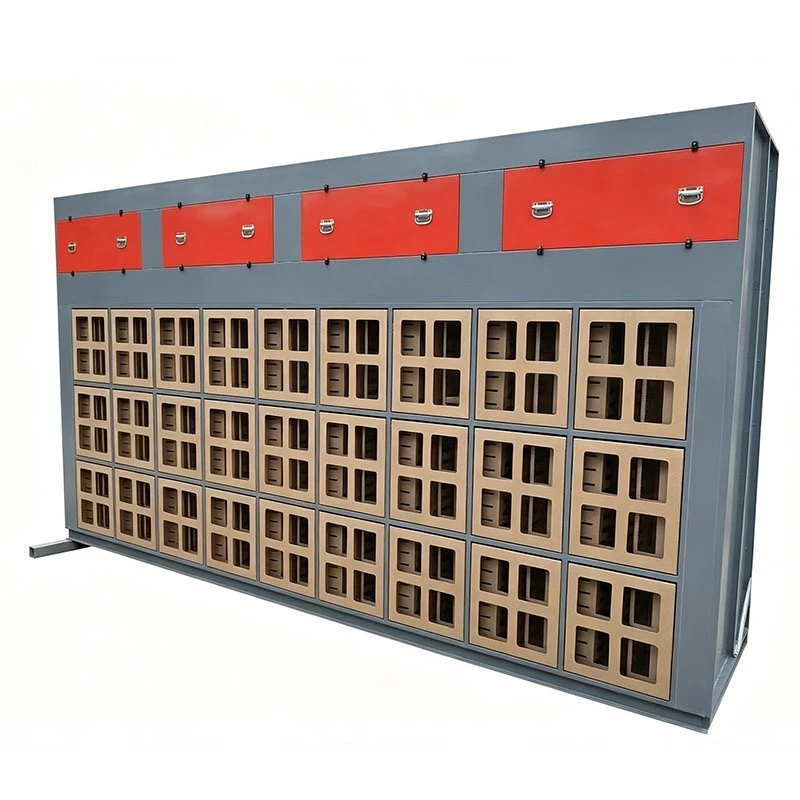
In smaller chambers, portable fire extinguishers may be sufficient. However, the type of fire extinguisher must be appropriate for the type of fire that can occur in a spray painting environment, usually a Class B (flammable liquids) or Class C (electrical) fire. Our Dry Filter Spray Booth can be equipped with a suitable fire suppression system based on the specific needs of the customer.
Regulatory Compliance
In addition to the technical design requirements, spray painting chambers must also comply with various regulations. These regulations are put in place to ensure the safety of workers and the general public.
In the United States, the Occupational Safety and Health Administration (OSHA) has specific standards for spray finishing operations. These standards cover aspects such as ventilation, electrical safety, and the use of personal protective equipment (PPE). It is the responsibility of the employer to ensure that the spray painting chamber meets these standards.
International organizations also have their own sets of regulations. For example, the European Union has the ATEX directive, which applies to equipment and protective systems intended for use in potentially explosive atmospheres. As a supplier, we ensure that our products meet both domestic and international regulatory requirements.
How Our Spray Painting Chambers Meet Explosion - Proof Requirements
Our company is committed to providing top - quality spray painting chambers that adhere to the highest explosion - proof standards. We use the latest in design and manufacturing technologies to ensure that our products are safe, efficient, and reliable.
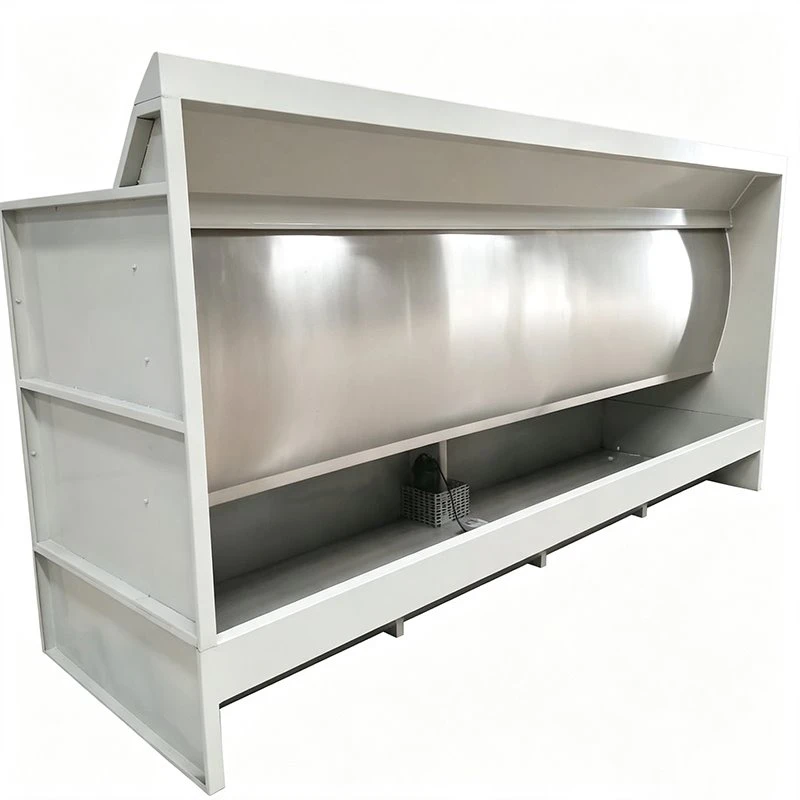
For instance, our Water Curtain Spray Booth uses a water curtain to capture paint overspray. This not only reduces the amount of paint in the air but also helps to prevent the build - up of combustible dust. The water curtain also acts as a barrier against potential ignition sources, adding an extra layer of safety.
Our Water Cyclone Spray Cabinet is another example of our innovative approach. It uses a water cyclone system to separate paint particles from the air. This system is highly efficient in removing paint overspray and has built - in safety features to prevent explosions.
Importance of Regular Maintenance
Even the most well - designed spray painting chambers require regular maintenance to ensure their explosion - proof capabilities are maintained. Maintenance tasks include checking the ventilation system for proper airflow, inspecting electrical components for signs of wear or damage, and cleaning the chamber regularly to remove paint and dust.
We provide our customers with comprehensive maintenance guidelines and support. Our technical team can offer on - site inspections and maintenance services to ensure that the spray painting chambers are operating safely and effectively.
Conclusion
As a Spray Painting Chamber supplier, we recognize the vital importance of explosion - proof requirements in the spray painting industry. By using the right construction materials, implementing effective ventilation and fire suppression systems, and ensuring regulatory compliance, we can provide our customers with safe and reliable spray painting solutions.
If you are in the market for a high - quality, explosion - proof spray painting chamber, we invite you to contact us for a detailed discussion. Our team of experts can help you select the most suitable product for your specific needs and provide you with all the information you need to make an informed decision.
References
- National Fire Protection Association. (2022). NFPA 33: Standard for Spray Application Using Flammable or Combustible Materials.
- Occupational Safety and Health Administration. (2023). OSHA Standards for Spray Finishing Operations.
- European Union. (2021). ATEX Directive 2014/34/EU: Equipment and Protective Systems Intended for Use in Potentially Explosive Atmospheres.