
In the realm of industrial waste gas management, Regenerative Thermal Oxidizer (RTO) waste gas treatment equipment stands as a prominent solution. As a supplier of RTO waste gas treatment equipment, one question that frequently arises from our clients is whether it is necessary to add chemicals when using this equipment. In this blog, we will explore this topic in depth, considering the scientific principles, practical applications, and potential benefits and drawbacks.
Understanding RTO Waste Gas Treatment Equipment
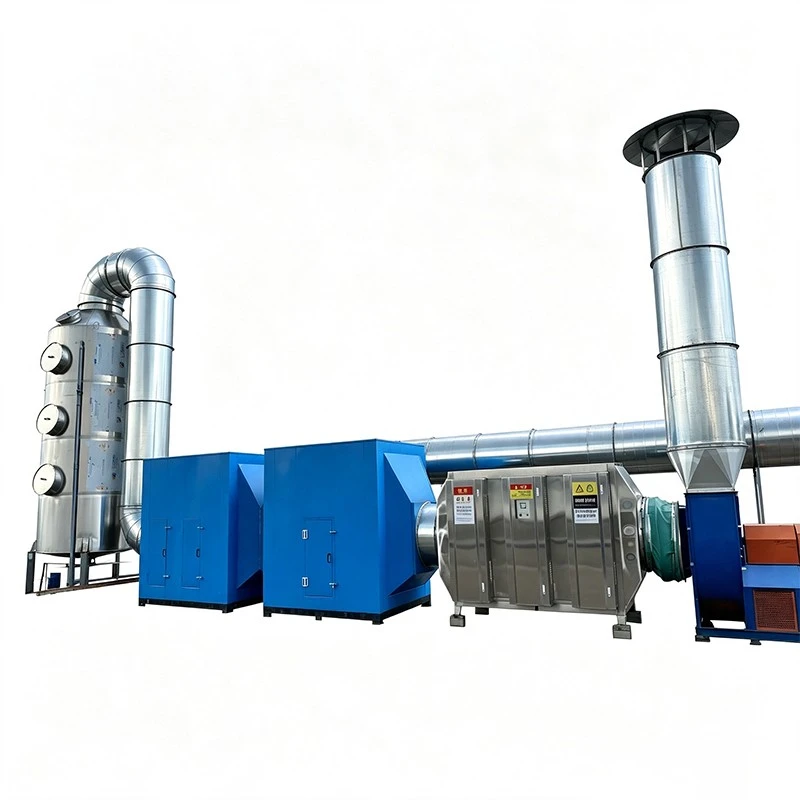
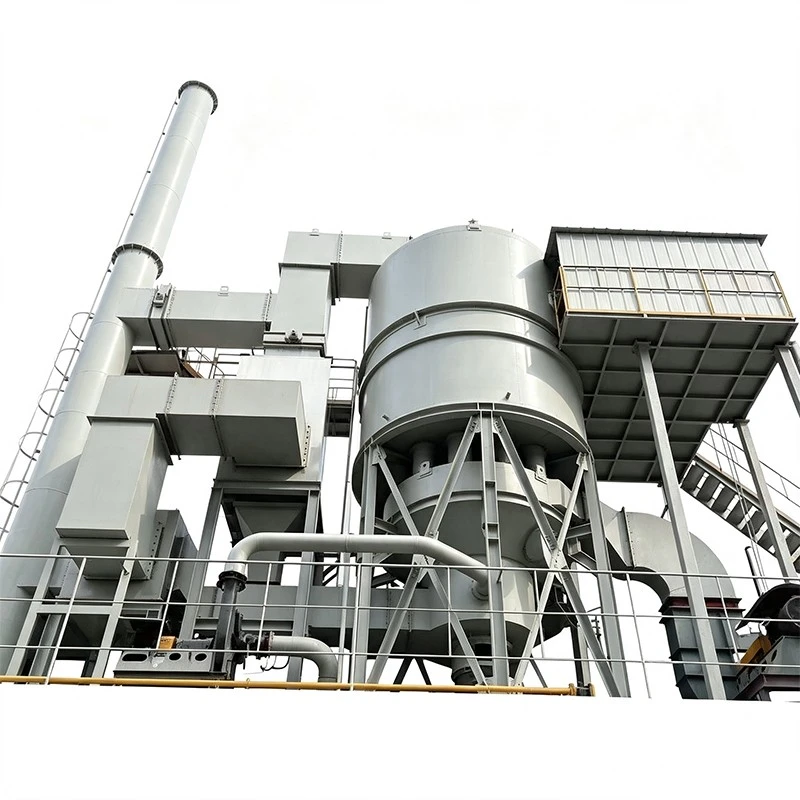
RTO waste gas treatment equipment is designed to eliminate volatile organic compounds (VOCs), hazardous air pollutants (HAPs), and other harmful gases from industrial exhaust streams. The core principle of RTO technology lies in its ability to heat the waste gas to a high temperature (typically between 760 - 870°C) in a combustion chamber, where the pollutants are oxidized into carbon dioxide and water vapor. The heat generated from this oxidation process is then recovered and reused to pre - heat the incoming waste gas, making RTO systems highly energy - efficient.
The key components of an RTO system include heat recovery chambers filled with ceramic media, a combustion chamber, and valves for gas flow control. As the waste gas enters the system, it passes through the ceramic media, which absorbs and transfers heat. Once in the combustion chamber, the pollutants are oxidized. The treated gas then exits the system through another set of ceramic media, transferring its remaining heat back to the media for future use.
The Role of Chemicals in Waste Gas Treatment
Chemicals can play several roles in waste gas treatment processes. In some cases, they are used to enhance the oxidation process, neutralize acidic or basic components in the waste gas, or capture specific pollutants through chemical reactions.
For example, in some waste gas streams containing high levels of sulfur compounds, adding chemicals such as lime or sodium hydroxide can help neutralize the sulfuric acid formed during the oxidation process. This not only reduces the corrosiveness of the treated gas but also helps meet environmental regulations regarding sulfur emissions.
In other cases, chemicals can be used as catalysts. Catalysts are substances that increase the rate of a chemical reaction without being consumed in the process. In waste gas treatment, catalysts can lower the activation energy required for oxidation, allowing the reaction to occur at lower temperatures. This can lead to energy savings and potentially extend the lifespan of the equipment by reducing the thermal stress on its components.
Do We Need to Add Chemicals in RTO Waste Gas Treatment?
The answer to whether it is necessary to add chemicals when using RTO waste gas treatment equipment depends on several factors, including the composition of the waste gas, the regulatory requirements, and the specific goals of the treatment process.
Composition of the Waste Gas
If the waste gas mainly consists of easily oxidizable VOCs such as methane, propane, or benzene, the RTO system can effectively treat the gas without the addition of chemicals. The high - temperature oxidation process in the RTO is sufficient to break down these pollutants into harmless by - products.
However, when the waste gas contains complex or refractory pollutants, such as halogenated hydrocarbons or polycyclic aromatic hydrocarbons (PAHs), the addition of chemicals may be beneficial. For instance, some halogenated hydrocarbons can form highly corrosive hydrogen halides during oxidation. Adding chemicals to neutralize these by - products can prevent damage to the equipment and ensure compliance with emission standards.
Regulatory Requirements
Environmental regulations play a crucial role in determining whether chemicals need to be added. In some regions, strict limits are set on the emissions of specific pollutants, such as nitrogen oxides (NOx), sulfur oxides (SOx), or heavy metals. If the RTO system alone cannot meet these requirements, the addition of chemicals may be necessary. For example, selective catalytic reduction (SCR) or selective non - catalytic reduction (SNCR) techniques, which involve the use of ammonia or urea as reducing agents, can be employed to reduce NOx emissions.
Specific Goals of the Treatment Process
Beyond regulatory compliance, the specific goals of the waste gas treatment process can also influence the decision to add chemicals. Some industries may aim to minimize the environmental impact of their operations, achieve zero - emission targets, or recover valuable resources from the waste gas. In these cases, chemicals can be used to enhance the treatment efficiency or enable resource recovery.
Advantages of Adding Chemicals
- Enhanced Treatment Efficiency: Chemicals can improve the oxidation rate of pollutants, especially those that are difficult to break down. This can lead to a higher removal efficiency of VOCs and other harmful substances, ensuring better air quality.
- Corrosion Prevention: As mentioned earlier, adding chemicals to neutralize acidic or corrosive by - products can protect the RTO equipment from damage, reducing maintenance costs and extending its service life.
- Meeting Stringent Regulations: In today's increasingly strict environmental regulatory environment, chemicals can help industries meet more demanding emission standards, avoiding potential fines and legal issues.
Disadvantages of Adding Chemicals
- Increased Cost: The purchase, storage, and handling of chemicals can add significant costs to the waste gas treatment process. Additionally, the disposal of chemical by - products may also require additional expenses.
- Complexity of Operation: The addition of chemicals introduces more variables into the treatment process, increasing the complexity of operation and control. This requires more skilled personnel and may lead to more frequent equipment malfunctions if not properly managed.
- Potential for Secondary Pollution: In some cases, the use of chemicals can generate new pollutants or by - products. For example, the use of ammonia in NOx reduction can lead to ammonia slip, which is also a harmful air pollutant.
Other Waste Gas Treatment Equipment Options
While RTO waste gas treatment equipment is a popular choice, there are other options available in the market. For example, Exhaust Gas Treatment Equipment offers a wide range of solutions for different types of waste gas streams. Zeolite Adsorption Waste Gas Treatment Equipment is effective in adsorbing VOCs and can be used in combination with RTO systems for better treatment results. Activated Carbon Adsorption Equipment is another common option, which can adsorb a variety of pollutants through physical adsorption. Coating Waste Gas Treatment Equipment is specifically designed to treat the waste gas generated in the coating process, while Activated Carbon Filter Equipment can be used as a pre - treatment or post - treatment step to improve the overall treatment efficiency.
Conclusion
In conclusion, whether it is necessary to add chemicals when using RTO waste gas treatment equipment is a decision that should be based on a comprehensive consideration of the waste gas composition, regulatory requirements, and specific treatment goals. While chemicals can offer certain advantages in terms of treatment efficiency and compliance, they also come with disadvantages such as increased cost and complexity.
As a supplier of RTO waste gas treatment equipment, we are committed to providing our clients with customized solutions that meet their unique needs. Our team of experts can analyze the characteristics of your waste gas stream and recommend the most suitable treatment process, whether it involves the addition of chemicals or not.
If you are interested in learning more about our RTO waste gas treatment equipment or other waste gas treatment solutions, we encourage you to contact us for a detailed consultation. We look forward to working with you to achieve effective and sustainable waste gas treatment.
References
- "Industrial Waste Gas Treatment Technology", published by Environmental Science Press.
- "Handbook of Air Pollution Control", edited by John Wark.
- "Emission Standards and Control Strategies for Industrial Pollutants", compiled by the Environmental Protection Agency.