

As a seasoned provider of RTO (Regenerative Thermal Oxidizer) waste gas treatment equipment, I've witnessed firsthand the pivotal role these systems play in environmental protection and industrial compliance. RTO technology stands at the forefront of waste gas treatment, offering high efficiency and reliability in destroying volatile organic compounds (VOCs), hazardous air pollutants (HAPs), and other harmful emissions. However, like any complex machinery, RTO waste gas treatment equipment is not immune to problems. In this blog post, I'll explore some of the common issues that users may encounter with RTOs and provide practical solutions to address them.
Common Problems and Solutions
1. High Energy Consumption
One of the most prevalent concerns with RTO waste gas treatment equipment is high energy consumption. This can be a significant cost driver for industrial facilities, especially those operating large-scale RTO systems around the clock. Several factors can contribute to elevated energy use:
- Low Heat Recovery Efficiency: If the heat recovery system is not functioning optimally, a large amount of energy is wasted. This could be due to inefficient heat exchangers, clogged ceramic media, or improper insulation.
- Excessive Airflow: Overdrawing air can lead to increased energy consumption as the system has to heat and process a larger volume of gas. This may be caused by incorrect fan settings or air leaks in the ductwork.
Solutions:
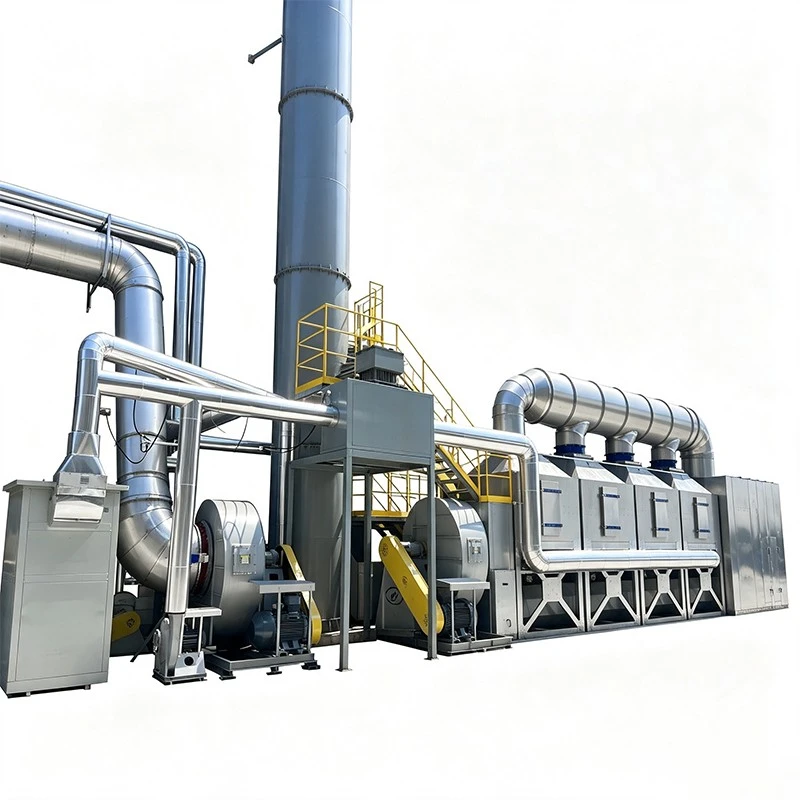
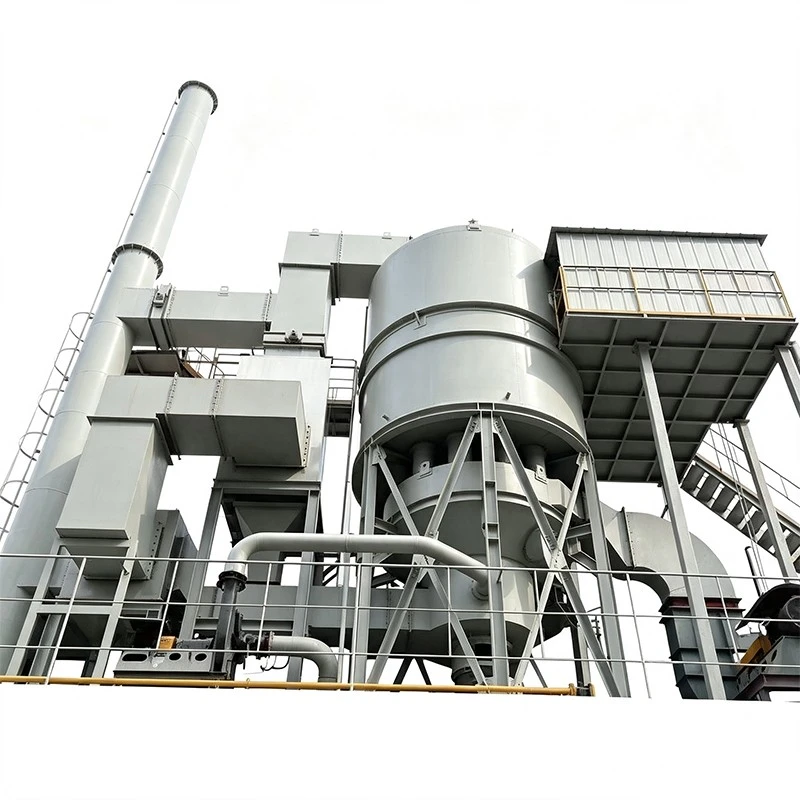
- Regular Maintenance: Schedule routine inspections and maintenance of the heat recovery system. Clean or replace the ceramic media as needed to ensure maximum heat transfer efficiency. Check and repair any damaged insulation to prevent heat loss.
- Optimize Airflow: Conduct a thorough assessment of the airflow requirements and adjust the fan settings accordingly. Seal any air leaks in the ductwork to minimize unnecessary air intake. Consider installing variable frequency drives (VFDs) on the fans to regulate the airflow based on the actual gas load.
2. Pressure Drop Issues
A significant pressure drop across the RTO system can indicate problems such as clogged filters, blocked ceramic media, or improper valve operation. This can lead to reduced system performance, increased energy consumption, and even damage to the equipment.
- Filter Blockage: Over time, the filters in the RTO system can become clogged with dust, debris, and pollutants. This restricts the airflow and causes a pressure drop.
- Ceramic Media Fouling: The ceramic media in the regenerator can accumulate contaminants, reducing its porosity and increasing the resistance to airflow.
Solutions:
- Filter Replacement: Establish a regular filter replacement schedule based on the operating conditions and the type of waste gas being treated. Monitor the pressure drop across the filters and replace them immediately when it exceeds the recommended limit.
- Media Cleaning or Replacement: Periodically clean the ceramic media to remove any fouling. If the media is severely damaged or fouled beyond cleaning, it may need to be replaced. Ensure proper installation and alignment of the media to maintain uniform airflow.
3. Temperature Fluctuations
Maintaining a consistent temperature within the RTO chamber is crucial for efficient waste gas treatment. Temperature fluctuations can affect the oxidation process, leading to incomplete destruction of pollutants and reduced system performance.
- Inadequate Fuel Supply: Insufficient fuel supply can cause the temperature to drop, resulting in incomplete combustion of the waste gas.
- Thermal Insulation Issues: Poor thermal insulation can lead to heat loss from the chamber, causing temperature variations.
Solutions:
- Fuel System Check: Regularly inspect the fuel supply system to ensure proper operation. Check the fuel flow rate, pressure, and quality. Adjust the fuel settings as needed to maintain the desired temperature.
- Insulation Upgrade: Evaluate the thermal insulation of the RTO chamber and make any necessary improvements. Use high-quality insulation materials to minimize heat loss and maintain a stable temperature.
4. Valve Malfunctions
The valves in the RTO system play a critical role in controlling the flow of waste gas, air, and fuel. Malfunctioning valves can disrupt the normal operation of the system, leading to reduced efficiency and potential safety hazards.
- Wear and Tear: Continuous use can cause the valves to wear out over time, resulting in leaks or improper sealing.
- Electrical or Mechanical Failures: Electrical problems or mechanical issues such as broken springs or actuators can prevent the valves from opening or closing properly.
Solutions:
- Regular Valve Maintenance: Implement a preventive maintenance program for the valves. Lubricate the moving parts, check the seals, and replace any worn-out components.
- Diagnostic Testing: Use diagnostic tools to detect any electrical or mechanical problems in the valves. Repair or replace the faulty valves promptly to ensure proper system operation.
Importance of Choosing the Right Equipment
Selecting the appropriate RTO waste gas treatment equipment is essential for ensuring optimal performance and minimizing problems. When choosing an RTO system, consider the following factors:
- Gas Composition: Different types of waste gases require different treatment approaches. Make sure the RTO system is designed to handle the specific composition and concentration of the pollutants in your waste gas.
- Flow Rate and Volume: The size and capacity of the RTO system should be matched to the flow rate and volume of the waste gas. An undersized system may not be able to handle the load, while an oversized system can be inefficient and costly.
- Energy Efficiency: Look for RTO systems that are designed for high energy efficiency. Features such as advanced heat recovery technology and variable speed drives can help reduce energy consumption and operating costs.
As a leading provider of RTO Waste Gas Treatment Equipment, we offer a range of high-quality systems that are designed to meet the diverse needs of our customers. Our RTOs are engineered for maximum efficiency, reliability, and environmental performance, and we provide comprehensive support and maintenance services to ensure the long-term success of your waste gas treatment project.
Other Waste Gas Treatment Equipment Options
In addition to RTO waste gas treatment equipment, we also offer a variety of other solutions to meet your specific requirements. These include Factory Waste Gas Treatment Equipment, Zeolite Adsorption Waste Gas Treatment Equipment, Activated Carbon Adsorption Equipment, and Exhaust Gas Treatment Equipment. Each of these technologies has its own advantages and is suitable for different types of waste gases and applications.
Contact Us for a Consultation
If you're facing problems with your existing RTO waste gas treatment equipment or are considering investing in a new system, we're here to help. Our team of experts has extensive experience in the design, installation, and maintenance of waste gas treatment systems, and we can provide you with customized solutions to meet your specific needs. Contact us today to schedule a consultation and learn more about how our RTO Waste Gas Treatment Equipment can help you achieve your environmental and compliance goals.
References
- Smith, J. (2020). Waste Gas Treatment Technologies: A Comprehensive Guide. Environmental Science Press.
- Johnson, R. (2019). RTO Systems: Design, Operation, and Maintenance. Industrial Equipment Journal.
- Brown, A. (2018). Energy Efficiency in Waste Gas Treatment. Energy Management Review.