

As a supplier of RTO Waste Gas Treatment Equipment, I've seen firsthand how crucial the waste gas flow rate is in the performance of these systems. In this blog, I'll break down the impact of waste gas flow rate on RTO Waste Gas Treatment Equipment, sharing insights based on my experience in the industry.
How Waste Gas Flow Rate Affects Treatment Efficiency
The efficiency of RTO Waste Gas Treatment Equipment is highly dependent on the waste gas flow rate. When the flow rate is too low, the waste gas spends more time in the treatment chamber. This might sound like a good thing, but it can actually lead to uneven heating and incomplete combustion. The RTO needs a certain amount of gas movement to maintain a stable and effective treatment process. If the gas isn't flowing fast enough, it can cause cold spots in the chamber, where the waste gas doesn't reach the necessary temperature for complete oxidation. This results in lower treatment efficiency and higher levels of pollutants being released into the atmosphere.
On the other hand, if the flow rate is too high, the waste gas rushes through the RTO too quickly. It doesn't have enough time to be fully treated, and the pollutants aren't completely broken down. This means that a significant portion of the waste gas exits the system untreated, defeating the purpose of the treatment. High flow rates also put more stress on the equipment, leading to increased wear and tear and potentially shortening the lifespan of the RTO.
Impact on Energy Consumption
The waste gas flow rate also has a major impact on the energy consumption of the RTO Waste Gas Treatment Equipment. When the flow rate is low, the equipment has to work harder to maintain the required temperature in the treatment chamber. This is because the low flow rate can cause heat to dissipate more easily, and the system needs to constantly add energy to keep the process going. As a result, the energy consumption increases significantly, driving up operational costs.
Conversely, at high flow rates, the energy required to heat the waste gas to the treatment temperature is spread over a larger volume of gas. However, the high flow rate can also cause heat losses due to the rapid movement of the gas. Additionally, the equipment may need to operate at higher power levels to handle the increased volume of gas, which can also lead to higher energy consumption. Finding the optimal flow rate is essential for minimizing energy costs while maintaining effective treatment.
Influence on Equipment Design and Sizing
The waste gas flow rate is a key factor in the design and sizing of RTO Waste Gas Treatment Equipment. When designing an RTO, engineers need to consider the expected flow rate of the waste gas to ensure that the equipment can handle the volume effectively. If the flow rate is underestimated, the RTO may be too small to treat the waste gas efficiently, leading to poor performance and potential environmental violations.
On the other hand, overestimating the flow rate can result in an oversized RTO, which is more expensive to purchase and operate. An oversized system may also have higher maintenance costs and may not operate as efficiently as a properly sized one. Therefore, accurately determining the waste gas flow rate is crucial for designing and sizing the right RTO for a specific application.
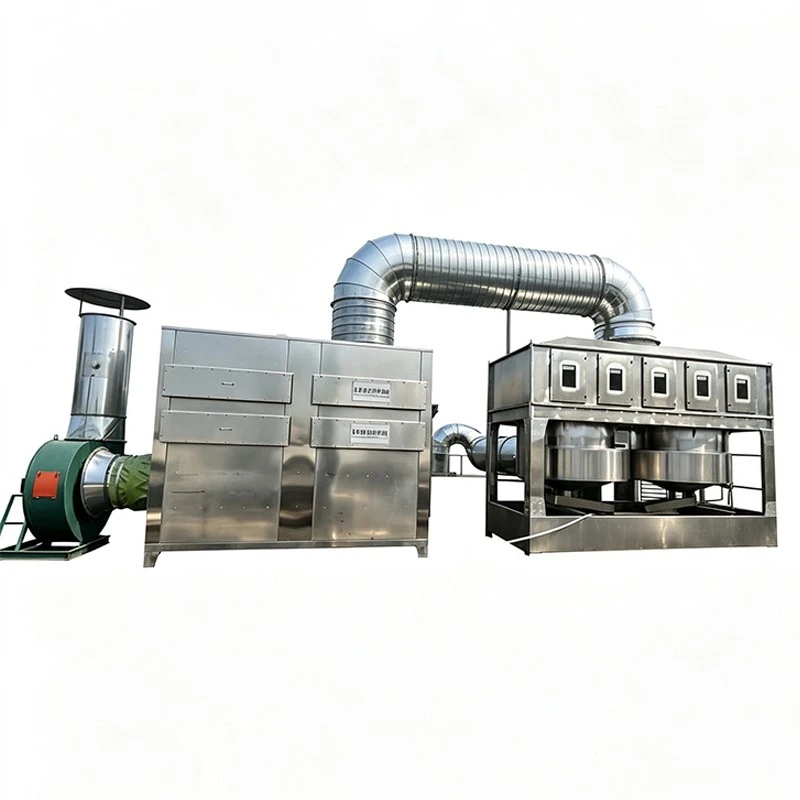
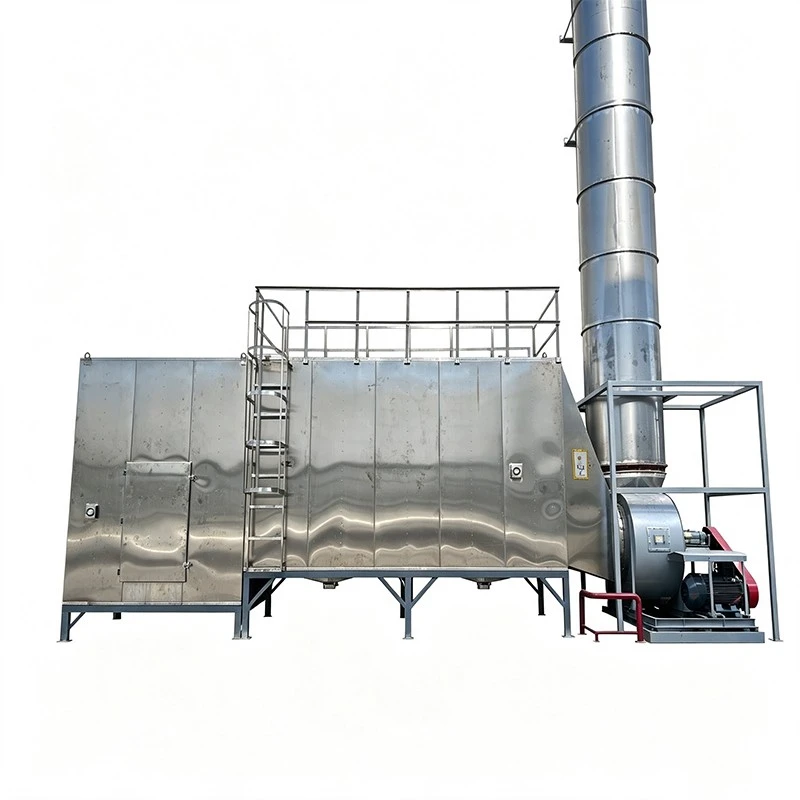
Comparison with Other Waste Gas Treatment Equipment
It's important to note that the impact of waste gas flow rate can vary depending on the type of waste gas treatment equipment. For example, Activated Carbon Adsorption Equipment works by adsorbing pollutants onto the surface of activated carbon. The flow rate affects the contact time between the waste gas and the carbon, which in turn affects the adsorption efficiency. Similarly, Zeolite Adsorption Waste Gas Treatment Equipment and Zeolite Rotor Waste Gas Treatment Equipment rely on the interaction between the waste gas and the zeolite material. The flow rate can influence the adsorption and desorption processes in these systems.
In comparison, RTO Waste Gas Treatment Equipment is more sensitive to extreme flow rates. While some other treatment methods can tolerate a wider range of flow rates, the RTO requires a relatively stable flow to operate optimally. This is because the combustion process in the RTO needs a consistent supply of waste gas to maintain the right temperature and reaction conditions.
Practical Considerations for Controlling the Flow Rate
In a real - world scenario, controlling the waste gas flow rate is essential for the effective operation of the RTO. One way to do this is by using flow control valves. These valves can be adjusted to regulate the amount of waste gas entering the RTO, ensuring that the flow rate stays within the optimal range. Regular monitoring of the flow rate is also crucial. By using flow meters, operators can keep track of the flow rate and make adjustments as needed.
It's also important to consider the source of the waste gas. If the waste gas flow rate varies due to changes in the production process, additional measures may be needed to stabilize the flow. For example, installing a buffer tank can help smooth out fluctuations in the flow rate, providing a more consistent supply of waste gas to the RTO.
Conclusion
In conclusion, the waste gas flow rate has a profound impact on the performance, energy consumption, and design of RTO Waste Gas Treatment Equipment. As a supplier, I understand the importance of helping our customers find the right balance. A well - controlled flow rate can lead to higher treatment efficiency, lower energy costs, and a longer lifespan for the equipment.
If you're in the market for Factory Waste Gas Treatment Equipment and specifically interested in RTO Waste Gas Treatment Equipment, we're here to assist you. Our team of experts can help you determine the optimal flow rate for your application and design a system that meets your specific needs. Contact us to start a discussion about your waste gas treatment requirements and let's work together to find the best solution.
References
- Environmental Protection Agency (EPA) guidelines on industrial waste gas treatment.
- Industry reports on the performance of RTO waste gas treatment systems.