

As a supplier of Cyclone Dust Collectors, I often get asked about the best way to dispose of the dust collected by these highly efficient machines. Cyclone Dust Collectors are known for their ability to separate dust particles from industrial air streams through centrifugal force. However, once the dust is collected, proper disposal becomes a crucial issue, not only for environmental reasons but also for compliance with safety regulations.
Understanding the Nature of Collected Dust
The first step in determining the best disposal method is to understand the nature of the dust. Different industries generate different types of dust, each with its own set of characteristics and potential hazards. For example, in woodworking shops, the dust is primarily organic and can often be disposed of in a relatively straightforward manner. On the other hand, dust from metalworking or chemical manufacturing may contain heavy metals, toxic chemicals, or other hazardous substances.
Organic dust, such as wood and agricultural dust, can usually be composted or used as a soil amendment if it is free from contaminants. However, it's important to ensure that the dust does not contain any treated wood or other materials that could introduce harmful substances into the soil. In some cases, organic dust can also be used as a fuel source in specialized biomass boilers, providing an eco - friendly way to reuse the collected material.
Inorganic dust, especially that containing heavy metals like lead, mercury, or cadmium, requires special handling. These types of dust are considered hazardous waste and must be disposed of in accordance with strict environmental regulations. Failure to do so can result in significant environmental damage and legal consequences for the company.
Disposal Options
Landfill Disposal
One of the most common methods of dust disposal is landfill. However, this option is not suitable for all types of dust. Hazardous dust must be disposed of in a hazardous waste landfill, which are specially designed to prevent the leakage of contaminants into the environment. These landfills have multiple layers of liners and leachate collection systems to ensure that any potential pollutants are contained.
For non - hazardous dust, regular landfills can be used. But it's important to note that landfill space is becoming increasingly limited, and the cost of landfill disposal is rising. Additionally, some local regulations may restrict the amount of dust that can be disposed of in landfills, especially if it is a significant volume.
Recycling
Recycling is an environmentally friendly option for disposing of certain types of dust. For example, metal dust collected from metalworking processes can often be recycled back into the manufacturing process. Many metals, such as aluminum, steel, and copper, can be melted down and reused, reducing the need for virgin materials.
In the case of plastic dust, recycling may also be possible. Some plastics can be shredded and remolded into new products. However, the recycling process for plastics can be complex, as different types of plastics require different recycling methods.
Incineration
Incineration is another option for dust disposal, especially for organic dust. When organic dust is incinerated, it can be converted into heat energy, which can be used to generate electricity or heat buildings. This process not only reduces the volume of waste but also provides a renewable energy source.
However, incineration is not suitable for all types of dust. Hazardous dust containing heavy metals or toxic chemicals should not be incinerated, as this can release harmful pollutants into the air. In addition, incinerators must be equipped with advanced air pollution control systems to meet environmental standards.
Role of Other Dust Collectors in Dust Management
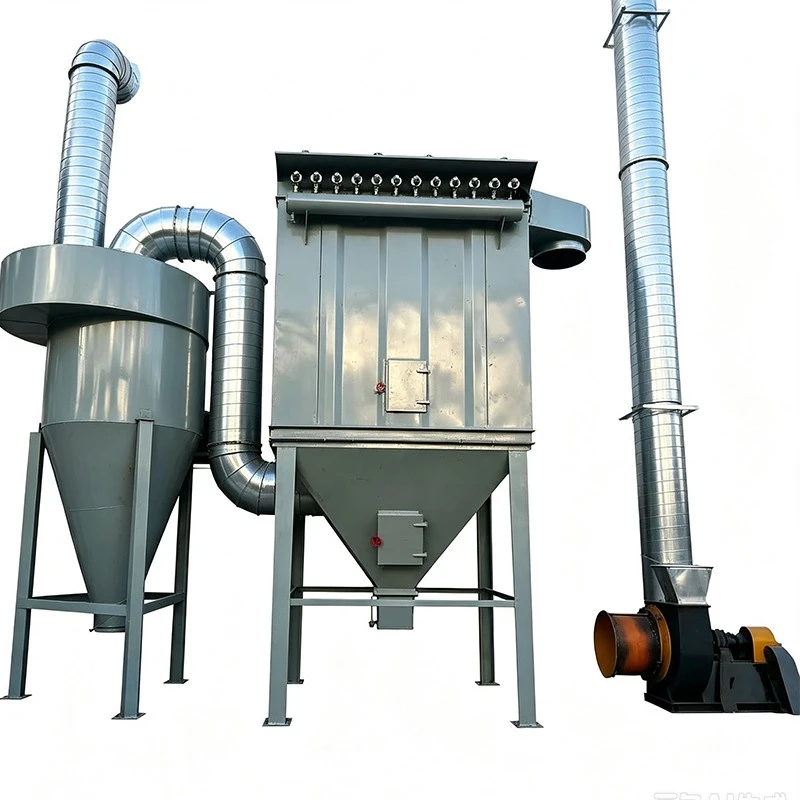
While Cyclone Dust Collectors are effective at separating large - to medium - sized dust particles, they may not capture all the fine dust. In such cases, other types of dust collectors can be used in conjunction with Cyclone Dust Collectors to improve the overall dust collection efficiency.
The Dust Filter is a popular choice for capturing fine dust particles. These filters work by passing the air through a porous material, which traps the dust. There are different types of dust filters, such as bag filters and cartridge filters, each with its own advantages and disadvantages.
The Wet Dust Collector uses water to capture dust particles. It is particularly effective for removing dust that is sticky or combustible. The dust is drawn into the collector and comes into contact with the water, which traps the particles and prevents them from being released into the air.
The Water Filtration Dust Collector is similar to the wet dust collector but focuses on the filtration of water to ensure that the water used in the collection process can be reused. This helps to reduce water consumption and the cost of wastewater treatment.
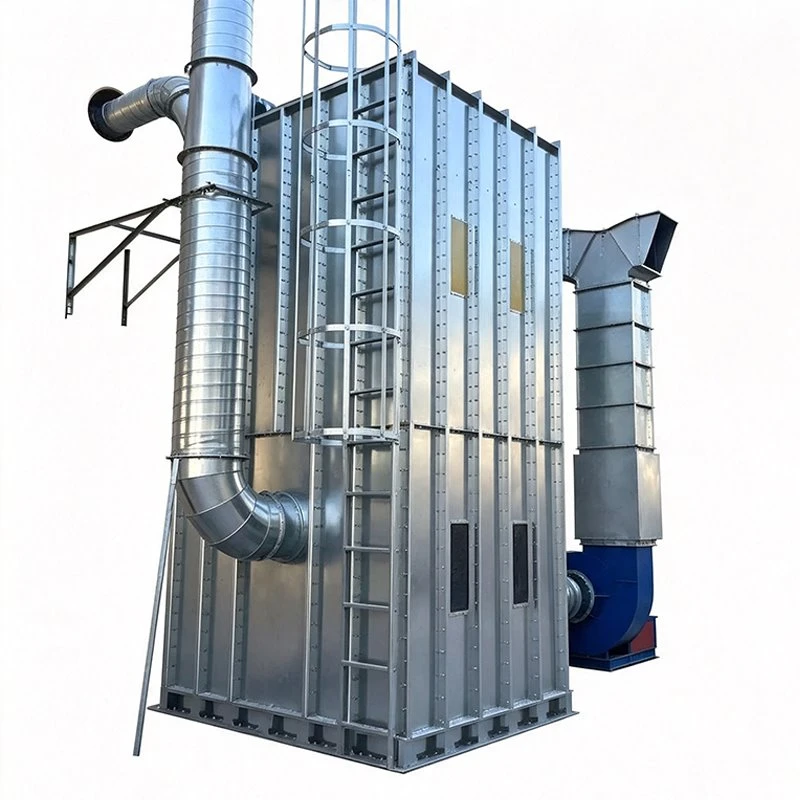
The Baghouse Dust Collector uses fabric bags to collect dust. It is suitable for high - volume dust collection applications and can handle a wide range of dust particle sizes.
The Cartridge Dust Collector is a compact and efficient dust collector that uses cartridge filters to capture dust. It is often used in smaller industrial applications or in areas where space is limited.
Compliance with Regulations
Regardless of the disposal method chosen, it is essential to comply with all relevant local, state, and federal regulations. These regulations are in place to protect the environment and human health.
Companies must keep accurate records of all dust collection and disposal activities. This includes documentation of the type and quantity of dust collected, the disposal method used, and the location of the disposal site. Failure to maintain proper records can result in fines and legal liability.
In addition, companies may be required to obtain permits for the collection and disposal of dust, especially if it is considered hazardous waste. These permits ensure that the company is following all the necessary safety and environmental procedures.
Conclusion
In conclusion, the best way to dispose of the dust collected by a Cyclone Dust Collector depends on the nature of the dust. For non - hazardous organic dust, options such as composting, recycling, or incineration can be considered. For hazardous dust, strict compliance with environmental regulations is necessary, and specialized disposal methods must be used.
As a supplier of Cyclone Dust Collectors, we understand the importance of proper dust management and disposal. We are committed to providing our customers with the best solutions for their dust collection needs. If you are interested in learning more about our products or need advice on dust disposal, please do not hesitate to contact us for procurement and further discussions.
References
- Environmental Protection Agency (EPA). (Year). Industrial Dust Collection and Disposal Guidelines.
- American Conference of Governmental Industrial Hygienists (ACGIH). (Year). Threshold Limit Values for Chemical Substances and Physical Agents.
- Occupational Safety and Health Administration (OSHA). (Year). Industrial Ventilation Manual.