
In the ever - evolving landscape of environmental protection, the question of whether waste gas treatment equipment can be upgraded in the future is not only relevant but crucial. As a supplier of waste gas treatment equipment, I have witnessed firsthand the rapid changes in technology and the growing demands from various industries. This blog will delve into the potential for future upgrades of waste gas treatment equipment, exploring the driving forces behind these upgrades, the current technological limitations, and the possible directions for future development.
Driving Forces for Upgrading Waste Gas Treatment Equipment
One of the primary driving forces for upgrading waste gas treatment equipment is the increasingly stringent environmental regulations. Governments around the world are implementing more rigorous standards to reduce air pollution and protect public health. For example, in the European Union, the Industrial Emissions Directive sets strict limits on the emissions of pollutants such as volatile organic compounds (VOCs), nitrogen oxides (NOx), and particulate matter. These regulations force industries to invest in more advanced waste gas treatment solutions to ensure compliance.
Another significant factor is the growing awareness of environmental sustainability among businesses. Many companies are now looking beyond mere compliance and are actively seeking ways to reduce their environmental footprint. Upgrading waste gas treatment equipment can help them achieve this goal by improving the efficiency of pollutant removal and reducing energy consumption. For instance, a manufacturing plant that upgrades its waste gas treatment system can not only reduce its emissions of harmful substances but also save on energy costs in the long run.
The advancement of technology is also a key driver for equipment upgrades. New materials, such as advanced catalysts and adsorbents, are being developed that can enhance the performance of waste gas treatment equipment. For example, the use of Activated Carbon Filter Equipment has become more widespread due to the development of high - surface - area activated carbon materials. These materials can adsorb a wider range of pollutants and have a longer service life compared to traditional activated carbon.
Current Technological Limitations
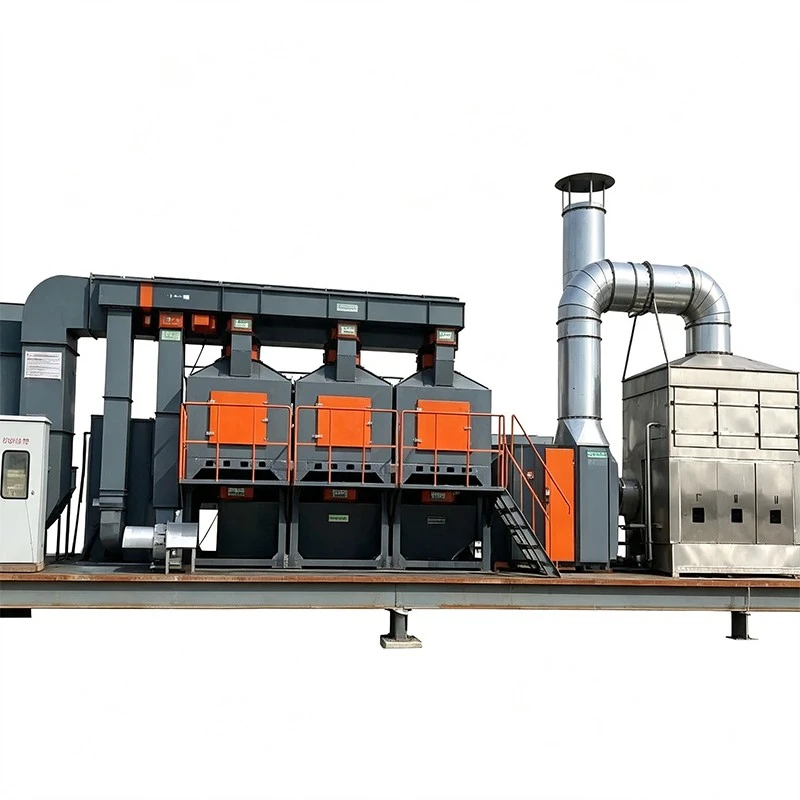
Despite the progress made in waste gas treatment technology, there are still several limitations that need to be addressed. One of the main challenges is the high cost of upgrading equipment. Many small and medium - sized enterprises (SMEs) may not have the financial resources to invest in the latest waste gas treatment technologies. For example, the installation of RTO Waste Gas Treatment Equipment, which is highly effective in treating VOCs, can be prohibitively expensive for some SMEs.
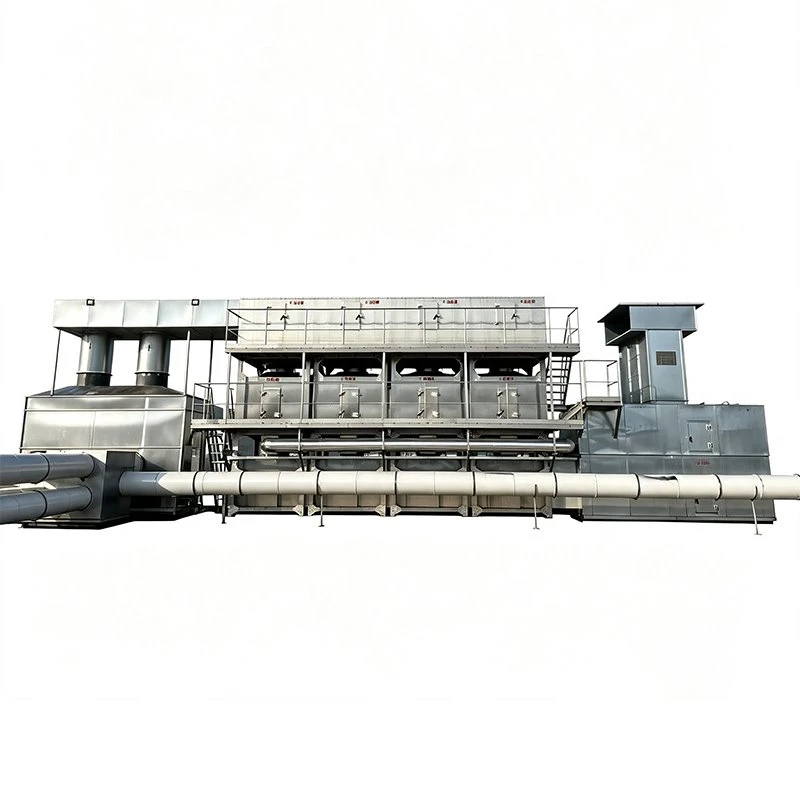
Another limitation is the complexity of treating certain types of waste gases. Some industrial waste gases contain a mixture of different pollutants, and it can be difficult to develop a single treatment technology that can effectively remove all of them. For instance, coating waste gases often contain a combination of VOCs, solvents, and particulate matter. While Coating Waste Gas Treatment Equipment exists, it may not be able to achieve complete removal of all pollutants in a cost - effective manner.
The energy efficiency of waste gas treatment equipment is also a concern. Many existing treatment processes consume a large amount of energy, which not only increases operating costs but also has a negative impact on the environment. For example, some thermal oxidation processes used in waste gas treatment require high temperatures, which consume significant amounts of fuel.
Possible Directions for Future Development
To overcome these limitations, several directions for future development of waste gas treatment equipment can be identified. One promising area is the integration of different treatment technologies. By combining multiple treatment processes, such as adsorption, oxidation, and filtration, it may be possible to achieve more effective and comprehensive waste gas treatment. For example, a system that combines Activated Carbon Adsorption Equipment with a catalytic oxidation process can first adsorb the pollutants onto the activated carbon and then oxidize them at a lower temperature, reducing energy consumption.
The development of smart waste gas treatment systems is another potential direction. These systems can use sensors and advanced control algorithms to monitor the performance of the equipment in real - time and adjust the operating parameters accordingly. For example, a smart system can detect changes in the composition of the waste gas and automatically optimize the operation of the treatment equipment to ensure maximum efficiency.
The use of renewable energy sources in waste gas treatment is also an area of growing interest. By integrating solar, wind, or biomass energy into the treatment process, it may be possible to reduce the reliance on fossil fuels and lower the carbon footprint of the equipment. For example, a waste gas treatment plant could use solar panels to generate electricity for its operation, reducing its energy costs and environmental impact.
In addition, the development of more cost - effective and sustainable materials for waste gas treatment is crucial. For instance, research is being conducted on the use of bio - based adsorbents and catalysts, which can be more environmentally friendly and cost - effective compared to traditional materials. The Zeolite Rotor Waste Gas Treatment Equipment is an example of equipment that uses advanced materials to achieve efficient waste gas treatment.
Conclusion
In conclusion, the future of waste gas treatment equipment is full of potential for upgrades. The driving forces of stricter environmental regulations, growing corporate environmental awareness, and technological advancements are pushing the industry towards more efficient and sustainable solutions. However, the current technological limitations, such as high costs, complexity of treating certain waste gases, and energy inefficiency, need to be addressed.
By exploring the possible directions for future development, including the integration of different technologies, the development of smart systems, the use of renewable energy, and the use of more cost - effective materials, we can expect to see significant improvements in waste gas treatment equipment in the coming years.
As a supplier of waste gas treatment equipment, we are committed to staying at the forefront of these developments. We continuously invest in research and development to offer our customers the most advanced and effective waste gas treatment solutions. If you are interested in upgrading your waste gas treatment equipment or exploring new solutions for your business, we invite you to contact us for a detailed consultation. Our team of experts will be happy to assist you in finding the best equipment and solutions to meet your specific needs.
References
- European Commission. (2010). Industrial Emissions Directive (2010/75/EU).
- Various research papers on waste gas treatment technology from academic journals such as the Journal of Environmental Science and Technology.